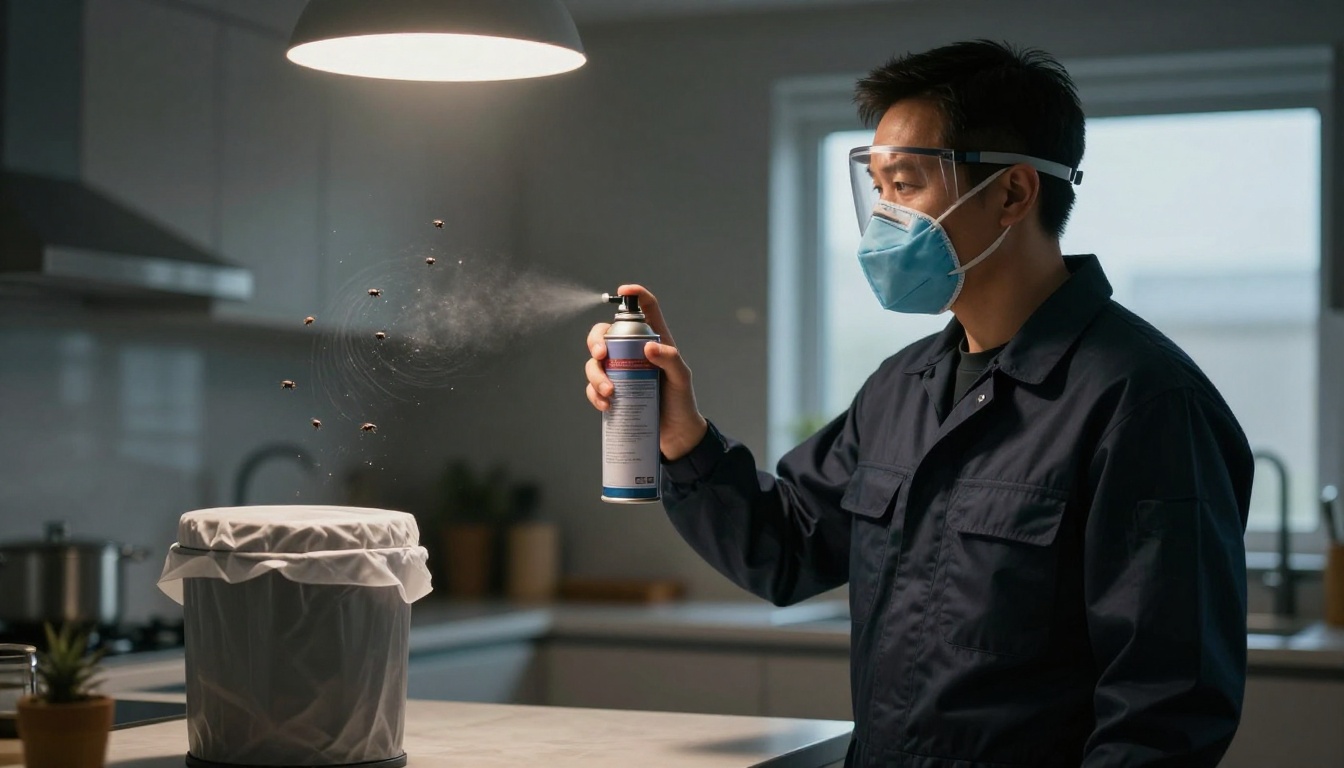
A few flies at an open window are annoying. Dozens circling the trash bin every morning can signal a recurring fly infestation. Flies near a drain or beneath a ceiling light may point to breeding sources, including waste, pet areas, or decaying organic matter.
A professional fly exterminator uses professional pest control to combine source removal, sanitation, and targeted treatment. Recurring indoor activity also deserves attention because flies can contribute to disease transmission. If you need help now, visit pest control for flies to arrange treatment.
The right treatment starts with the source, then combines cleanup, targeted control, and steps that stop the next wave from hatching.
Looking for a Professional Pest Control Service ?
Keep Your Home Pest-Free Year-Round
Professional extermination and prevention services tailored to protect your family and property.
CALL NOWKey Takeaways
- Recurring house flies or fruit flies may signal a breeding source in pet waste, spoiled food, or garbage cans.
- Maggots, larvae, foul odors, fly spots, or flies emerging from walls can indicate a serious fly infestation.
- A professional identifies the species, including blow flies, before planning fly control or deciding whether fly bait is appropriate.
- Most residential treatments cost about $150 to $300, though difficult cases may require more pest control.
- Lasting results depend on good sanitation practices, clean drains, covered bins, and well-maintained window screens.
When You Need a Professional Fly Exterminator
An occasional fly can slip through damaged window screens or an open door. However, a daily pattern of flies in the same room usually has a reason. Garbage cans, pet waste, damp organic matter, and decaying food can provide food for eggs and larvae while creating hidden breeding sources.
Call for pest control for flies when they keep returning after thorough cleaning and basic traps. Act quickly if you see maggots, dark fly spots, unexplained odors, or blow flies gathering indoors. Flies emerging around ceiling fixtures, wall gaps, entry points, or crawl spaces may indicate dead rodents or other hidden material.
The Illinois Department of Public Health describes house flies and other filth flies as pests associated with decaying organic matter. That is why visible adults may represent only the surface of a fly infestation.
How to Tell Whether Flies Come From a Hidden Breeding Site
Look for patterns before reaching for a spray can. Fruit flies cluster around ripe produce, recycling bins, sticky spills, and fermenting residue. Drain flies are tiny, fuzzy-looking flies that often rest near sinks, tubs, and floor drains. The University of Arkansas Extension notes that clearing a drain infestation requires thorough cleaning and maintenance for at least three weeks to interrupt its life cycle.
House flies usually gather around food, garbage, and pet areas. Blow flies are larger, often metallic blue or green, and may appear suddenly when decaying animal material is nearby but out of sight. Cluster flies may gather near warm areas or wall voids. Horse flies are generally outdoor biting pests, so they aren't treated like an indoor house-fly source.
Phorid flies are another small-fly possibility when activity is associated with plumbing, sewage, or hidden moisture. Unlike blow flies, they may point to damp areas that are difficult to access. A pest control technician can trace activity into cabinet voids, wall spaces, attic areas, plumbing connections, or along exterior walls.
Why Spraying Adult Flies Rarely Solves the Problem
Some DIY methods and surface sprays kill exposed adult flies without eliminating eggs or larvae. New adults then emerge days later, and the room seems infested all over again.
When flies return after repeated spraying, the breeding source usually remains.
Chemical treatments may include a targeted residual spray or fly bait, depending on the species and location. Neither option replaces source removal, sanitation practices, and attention to disease transmission risks.
Source removal has more value than another round of broad indoor spraying. A treatment plan should match the fly species, remove food and moisture, and use fly control products only where they fit the situation.
What a Professional Fly Control Visit Usually Includes
A good fly control visit follows the fly's route backward. The technician looks for where adults gather, then traces moisture and organic matter to the source. Treatment differs by species, property size, source location, and infestation level.

Inspection, Fly Identification, and Source Tracking
During professional pest control, technicians often inspect kitchen drains, garbage cans, recycling containers, pet-feeding areas, windows, baseboards, bathrooms, crawl spaces, and exterior waste zones. They may check behind appliances, beneath sinks, and around wall edges where moisture or food residue collects.
Identification matters. House flies near an overflowing outdoor bin differ from fruit flies around a wine bottle, while drain flies may breed in pipe buildup. Blow flies near a light fixture, cluster flies in wall voids, horse flies outdoors, and phorid flies around damp organic matter can send the inspection in different directions. Careful identification supports a treatment plan that addresses the actual source.
Source Removal, Sanitation, Traps, and Targeted Products
The first step may be removing spoiled food, bagged garbage, or contaminated items. Technicians may also recommend stronger sanitation practices for bins, cracks, floor edges, and appliance areas where residue collects.
For these pests, physical drain cleaning is often paired with enzymatic or microbial products that break down the buildup where larvae develop. Arkansas Extension's guidance on drain fly control stresses sustained drain maintenance because larvae can develop when organic buildup returns.
Fly bait in enclosed bait stations can reduce adult populations without broad spraying, while sticky traps help monitor activity. Fly light traps may provide another monitoring option. Chemical treatments should remain targeted, and a residual spray may be used only in suitable, labeled locations. Additional fly bait or fly light traps require careful placement near, but not directly over, food-preparation areas.
Reinspection and Follow-Up Treatment
One visit can handle a simple source that is easy to remove. More established problems may need a return visit because eggs can hatch after the first treatment.
A follow-up inspection confirms whether fly control worked and whether fly counts are dropping. It also checks for a missed breeding site or newly emerged larvae.
Homes with recurring waste, drainage, or outdoor animal issues may benefit from monthly or quarterly pest control plans. Sanitation still matters after the technician leaves, because traps and products can't compensate for a new food source.
Prepare for Treatment and Prevent Another Fly Problem
Preparation saves time and gives the technician access to key areas. Empty garbage cans and recycling, remove pet waste, and clear clutter beneath sinks or around floor drains. Seal food, wipe spills, and note the rooms and times when fly activity peaks. These sanitation practices support inspection and effective exclusion strategies.

After treatment, keep lids closed on waste containers and rinse bottles before recycling. Repair torn window screens, seal entry points around pipes and windows, and fix slow leaks behind cabinets. If flies gather near wall voids or perimeter gaps, ask the technician to check the exterior walls. These exclusion strategies can help prevent another problem.
Regular drain care matters because drain flies can develop in buildup farther inside, even when the opening looks clean. For monitoring, use fly light traps in suitable areas, or choose lower-profile sticky traps where needed.
Questions to Ask Before Booking Fly Removal
Ask whether the provider will identify the species, locate breeding sites, and explain the follow-up steps. This helps distinguish house flies from drain flies and supports a more focused fly control plan.
Ask which options may be appropriate, including fly bait, traps, or other treatments. Bait isn't suitable for every species or household, so the provider should explain the choice. Compare a professional inspection with repeated DIY methods when home efforts haven't solved the problem.
A reputable professional fly exterminator should explain preparation requirements and product safety in plain language. Confirm that the company is properly licensed and insured in your state. Get the total price in writing, including any return visit that the situation may require.
What Professional Fly Treatment May Cost
Most straightforward residential fly jobs fall around $150 to $300. A wider planning range is roughly $100 to $500, depending on the species, home size, source location, and follow-up needs.
| Situation | Typical Planning Range |
|---|---|
| Small, localized fly issue | $100 to $200 |
| Standard inspection and treatment | $150 to $300 |
| Hidden source or repeat visits | $300 to $500+ |
Thumbtack reports that overall exterminator visits commonly fall within a national price range of $131 to $341. A fly infestation may cost more when the source is hidden or repeat visits are necessary. Sources in walls, crawl spaces, plumbing lines, or inaccessible areas can increase the estimate. Request a written pest control estimate after an inspection instead of relying on a phone quote alone. For recurring problems, ask whether a pest control plan includes monitoring and follow-up visits.
Looking for a Professional Pest Control Service ?
Keep Your Home Pest-Free Year-Round
Professional extermination and prevention services tailored to protect your family and property.
CALL NOWFrequently Asked Questions
How long does it take for professional fly treatment to work?
You may see fewer adult flies within a day or two after treatment and source removal. A fly infestation can continue briefly because larvae may still mature afterward. Your technician should explain normal activity and when to request follow-up.
Do flies mean my home is dirty?
Not always. House flies can enter a clean home through damaged window screens, hidden plumbing leaks, or other entry points. Food residue and damp buildup still make it easier for flies to multiply. Recurring activity should be addressed because flies can contribute to disease transmission.
Can drain flies come from more than one drain?
Yes. Sink overflows, bathroom drains, floor drains, and seldom-used pipes can support drain flies. Small flies near plumbing may also be phorid flies, which can have different sources. A technician may inspect each likely drain instead of treating only the most active one.
Are fly-control products safe around pets and children?
Licensed pest control products can be used safely when placed correctly and applied according to label directions. Fly bait, fly light traps, and chemical treatments each require different precautions. Keep children, pets, dishes, and food away from treated areas as instructed. Exclusion strategies can also help prevent flies from re-entering.
Should I throw away all food after a fly infestation?
Discard food with visible fly contact, damaged packaging, or signs of spoilage. Sealed cans, jars, and intact packages are usually safe, but wipe their exteriors before storing them again. Focus on removing exposed produce, waste, and residue that could support continued activity.
A Fly-Free Home Starts With the Source
A fly problem becomes manageable when you target the breeding sources, not just visible adult flies. Effective fly control focuses on the conditions that support new activity.
A professional fly exterminator can locate hidden sources and recommend professional pest control suited to the problem. Ongoing monitoring, including fly light traps when appropriate, can help maintain control. For lasting improvement, turn to pest control for flies and follow practical cleanup steps.